


The One-Adapter Rule for a Clean Desk
Cable clutter doesn’t usually come from too many devices—it comes from too many adapters. The One-Adapter Rule is simple: use one high-quality adapter to power everything you use at your desk. Fewer bricks, fewer cables, and far less visual noise.

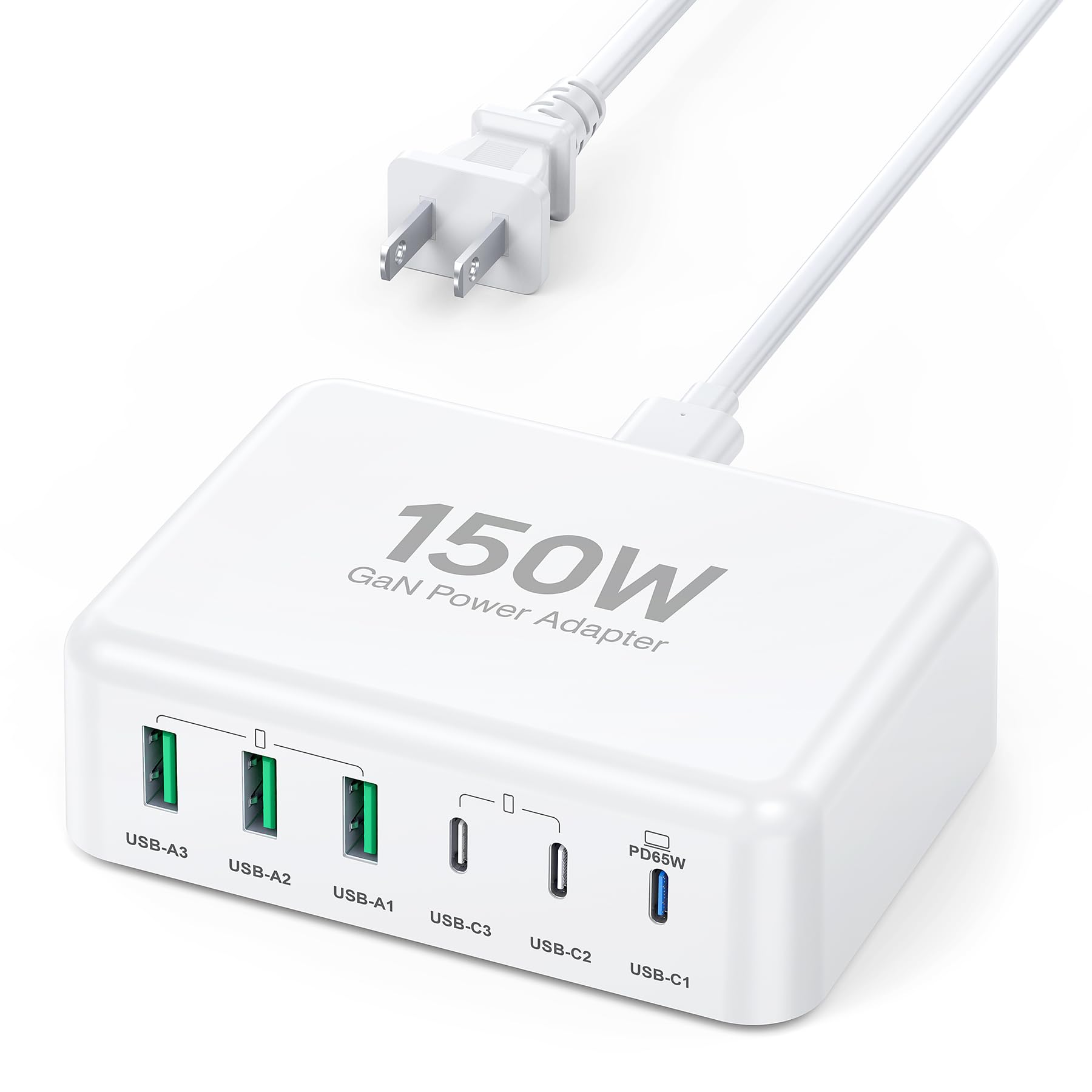

Why Adapters Create the Most Clutter
Adapters are bulky, visually loud, and hard to organize. Multiple power bricks:
-
Take up valuable outlet space
-
Pull cables in different directions
-
Make even large desks feel messy
Reducing adapters has a bigger impact than organizing cables alone.
What the One-Adapter Rule Means
Choose one powerful, modern adapter that can handle:
-
Your laptop
-
Phone or tablet
-
Desk accessories (via hub or dock)
Instead of many chargers doing one thing each, use one adapter that does everything well.
Why USB-C Makes This Possible
USB-C with Power Delivery allows a single adapter to deliver different power levels safely.
With one good adapter, you can:
-
Charge a laptop
-
Fast-charge a phone
-
Power a hub, monitor, or accessories
One outlet. One brick. Multiple devices.
How to Choose the Right Adapter
Look for:
-
High wattage (65W–100W) to cover laptops
-
Multiple ports (USB-C preferred)
-
Compact design (GaN chargers are ideal)
Bigger capability = fewer chargers on your desk.
Where the Adapter Should Live
For a cleaner look:
-
Keep the adapter off the desk (under desk, behind monitor, or in a cable box)
-
Run short cables up to the surface
-
Leave only what you actively use visible
The desk surface should show tools—not power bricks.
Pair It with the Short-Cable Rule
The One-Adapter Rule works best when combined with:
-
Short charging cables (0.5–1 m)
-
One cable per device
-
No excess loops or slack
Short cables reduce clutter and signal intention.
The Psychological Shift
A desk with one adapter:
-
Feels calmer instantly
-
Reduces decision fatigue (“Which charger?”)
-
Makes setup and teardown effortless
Fewer objects = less mental friction.
A Clean Desk Isn’t About Perfection
The One-Adapter Rule isn’t about minimalism for its own sake—it’s about supporting focus. When power is simple and invisible, attention stays on the work, not the setup.
One adapter.
One system.
A desk that finally feels clear.